Scaling Enterprise Design Systems
Complex enterprise analytics tools, multiple product teams, and no shared components. Building a tokenized Figma library gave every team a common language — and a faster path to shipping.
The problem
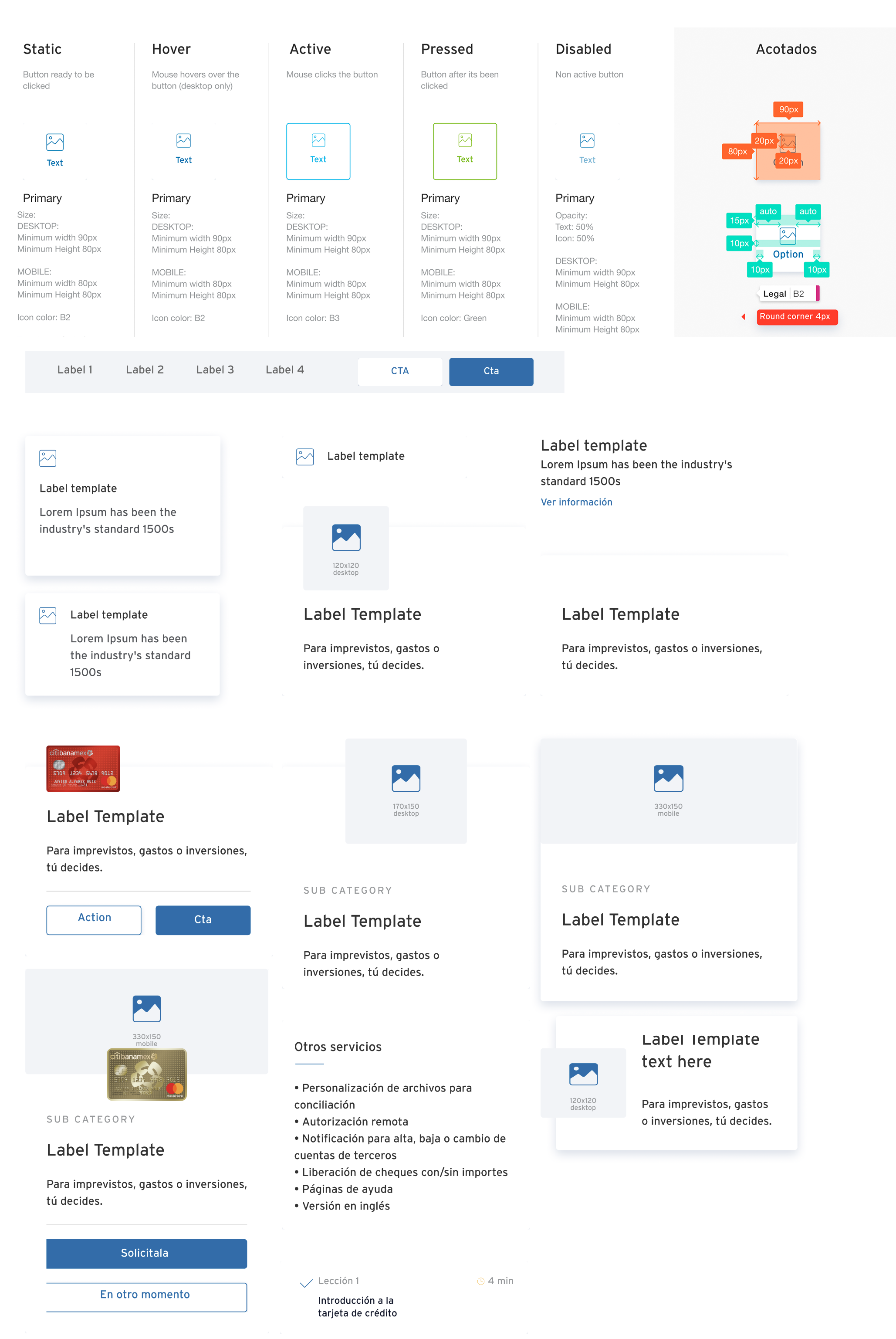
Cisco's enterprise analytics products are dense by nature — dashboards, data tables, configuration panels, all built by different teams under different deadlines. Without a shared system, every team was rebuilding the same components slightly differently: a button here, a data table there, each with its own edge cases and inconsistencies.
The cost showed up downstream — in longer handoffs to engineering, in visual inconsistency across products that were meant to feel like one platform, and in designers spending time solving problems that had already been solved elsewhere in the org.
Discovery, before components
I led discovery workshops and stakeholder alignment sessions across the teams building on top of the platform — auditing existing UI patterns, identifying where real product needs diverged from surface-level inconsistency, and building buy-in for a shared system before a single component was drawn.
That groundwork mattered: a design system enterprise teams don't trust gets forked within a quarter. One they helped define is one they maintain.
Built on tokens, not one-off styles
The library was built in Figma with a token architecture at its core — color, spacing, and type decisions defined once and inherited everywhere, so a brand or density change could propagate without a manual redesign of every screen.
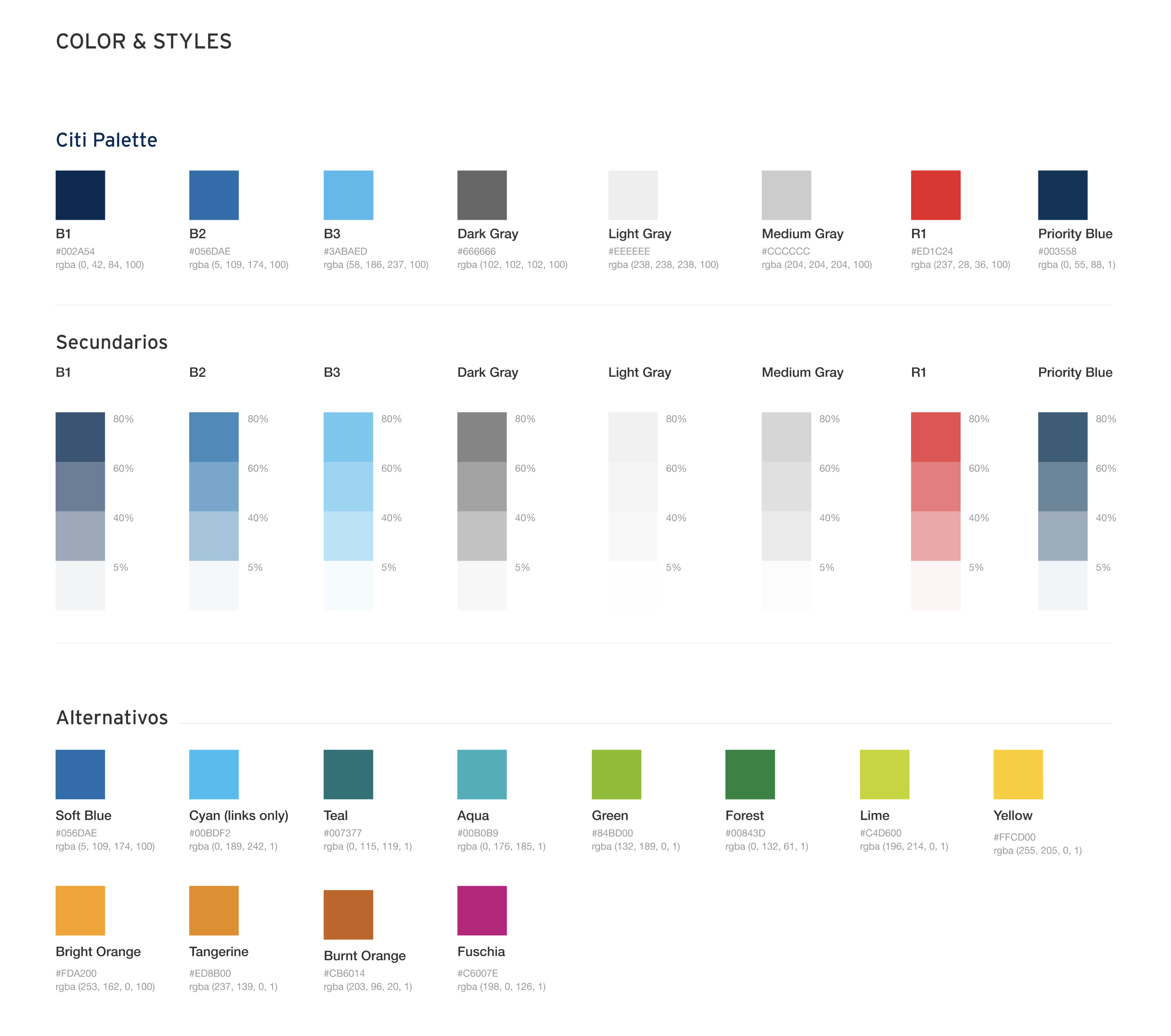
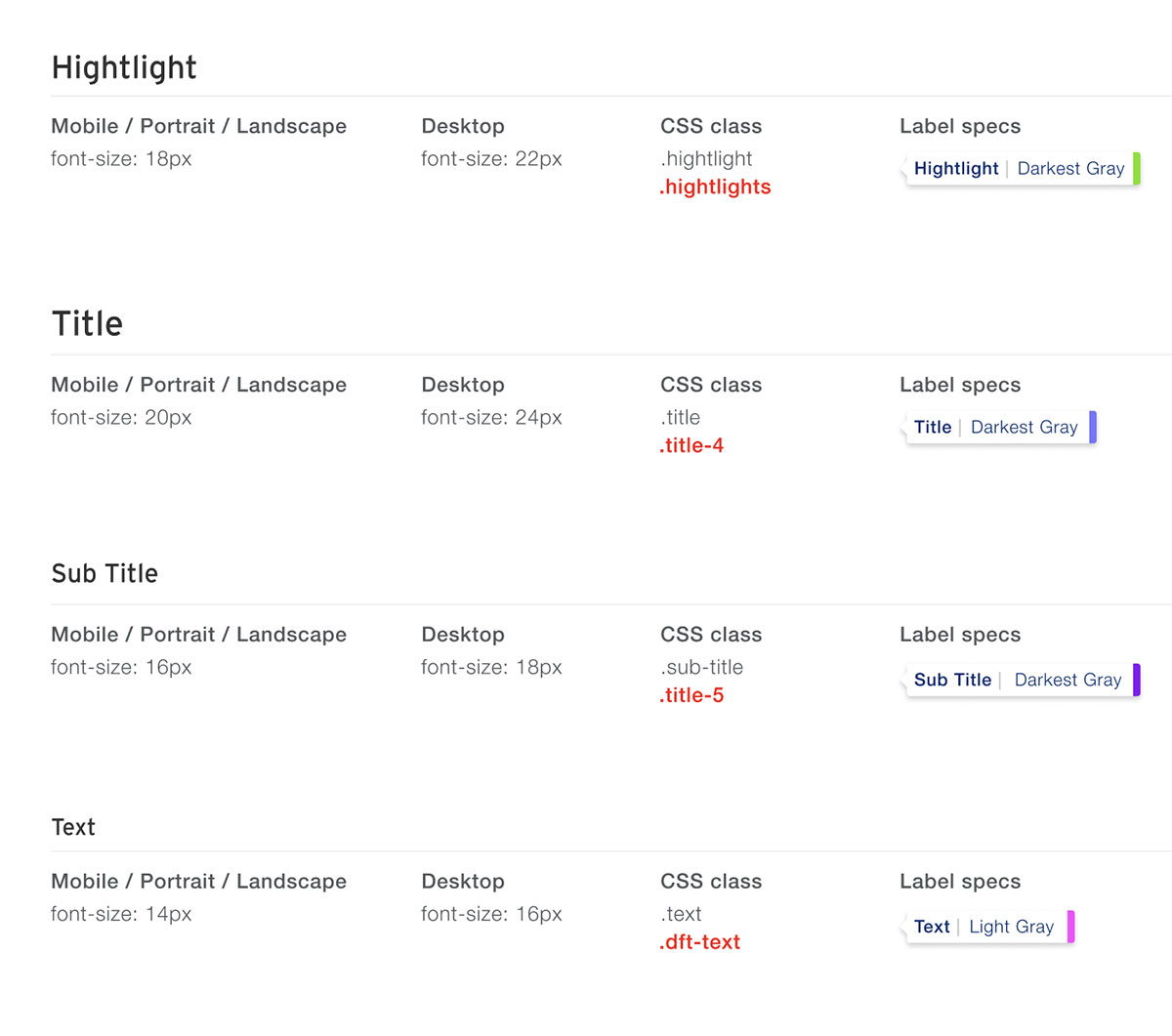
Token-based color system · Documented typography scale
Governance, not a one-time drop
Shipping the library was the easy part. Governing it — reviewing contributions, deciding what graduates from a product-specific pattern into a shared component, keeping documentation current as the product evolved — is what kept it alive. I owned that governance loop end to end, collaborating daily with engineering through delivery so the system and the shipped product never drifted apart.

"A design system enterprise teams don't help define gets forked within a quarter. Governance is what makes it last."